iPad mini A20 Pro or A17 Pro: check the generation before comparing a deal
Compare the actual Australian mini specifications, OLED versus LCD, Wi-Fi mass, storage-tier CPU differences and Pencil requirements without mixing generations.
Updated:
1. A mini label no longer identifies one specification
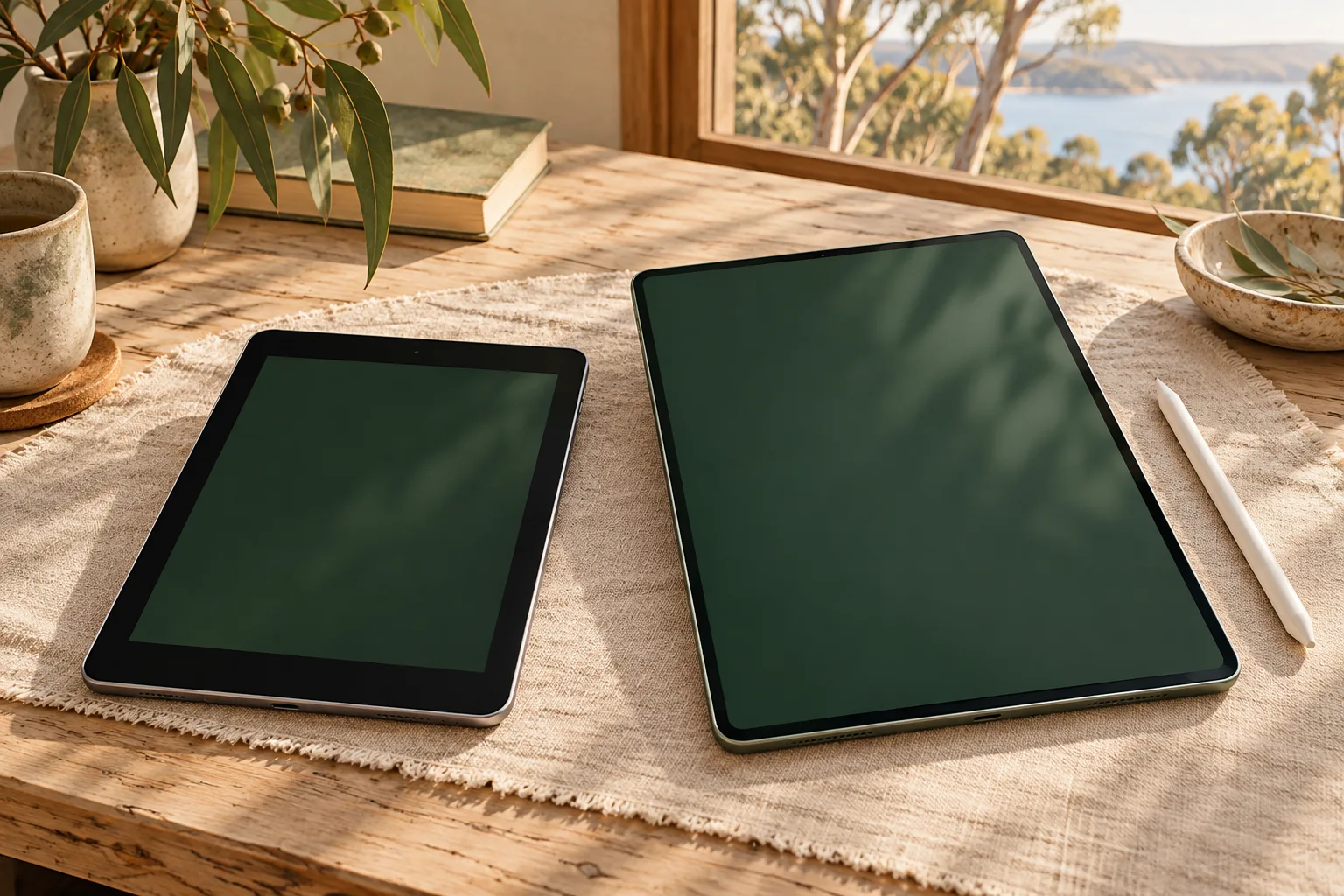
On 29 October 2026, Apple Australia’s current iPad mini specifications describe the A20 Pro model with an 8.5-inch OLED display. Apple’s separate support record describes the 2024 A17 Pro model with an 8.3-inch LCD. Older search snippets, retailer titles or a familiar enclosure photograph can therefore describe a different generation from the current page. This guide fixes the observation date and compares those two actual families.
A discounted A17 Pro device is not automatically a poor purchase, and the newer name is not enough to establish value. The complete offered configuration, condition and verified AUD quote are needed for that decision. We have not verified paired current offers here. First resolve the generation so that a price comparison is at least comparing known products.
2. Separate the physical changes from performance claims
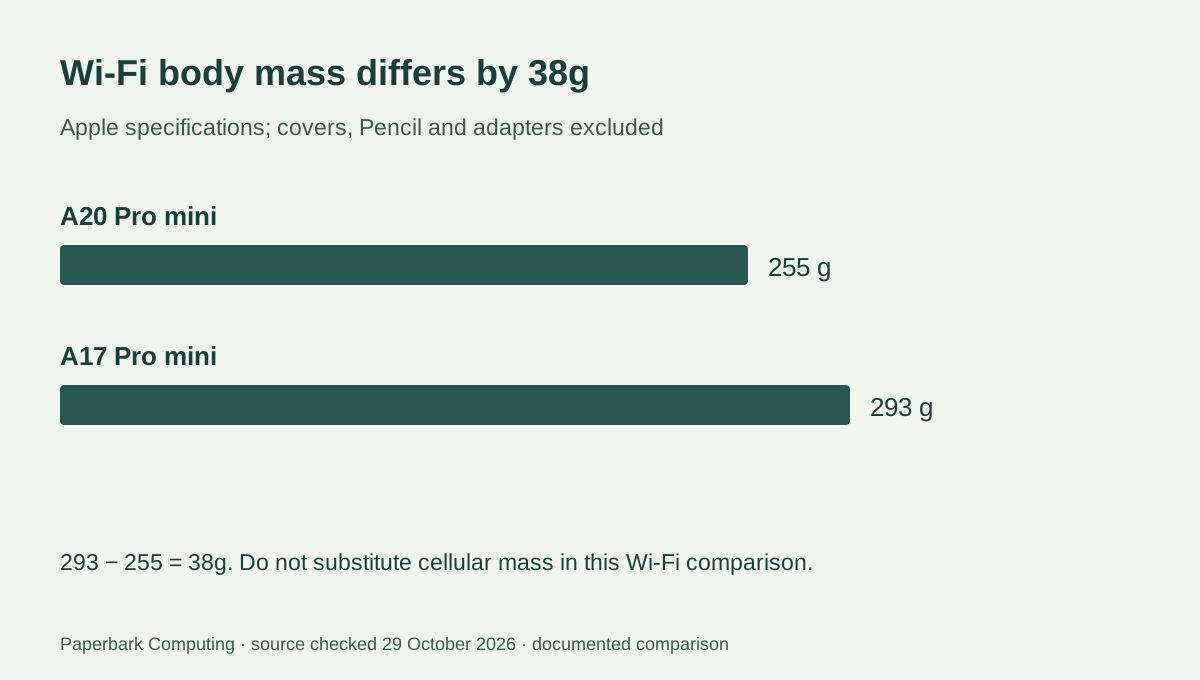
For Wi-Fi versions, Apple lists the A20 Pro mini at 255g and the A17 Pro model at 293g: the published difference is 38g. The newer body is listed at 195.3 × 132.6 × 5.4mm, against 195.4 × 134.8 × 6.3mm for the A17 Pro model. Those differences matter to a fitted case even when a retailer simply describes both devices as an iPad mini.
The current model’s OLED resolution is 2316 × 1512, compared with 2266 × 1488 on the older LCD. Apple’s SDR brightness specification is 600 nits for the current model and 500 nits for A17 Pro. The current model’s separate 1200-nit peak figure is for HDR content; it must not be presented as an always-on SDR brightness comparison. These are manufacturer specifications, not independent display measurements.
| Documented detail | A20 Pro mini | A17 Pro mini |
|---|---|---|
| Display | 8.5-inch OLED | 8.3-inch LED-backlit IPS LCD |
| Resolution | 2316 × 1512 | 2266 × 1488 |
| SDR brightness | 600 nits maximum | 500 nits |
| Wi-Fi mass | 255g | 293g |
| Depth | 5.4mm | 6.3mm |
| Named capacities | 128GB / 256GB / 512GB | 128GB / 256GB / 512GB |
3. Keep the current storage tier attached to its chip description
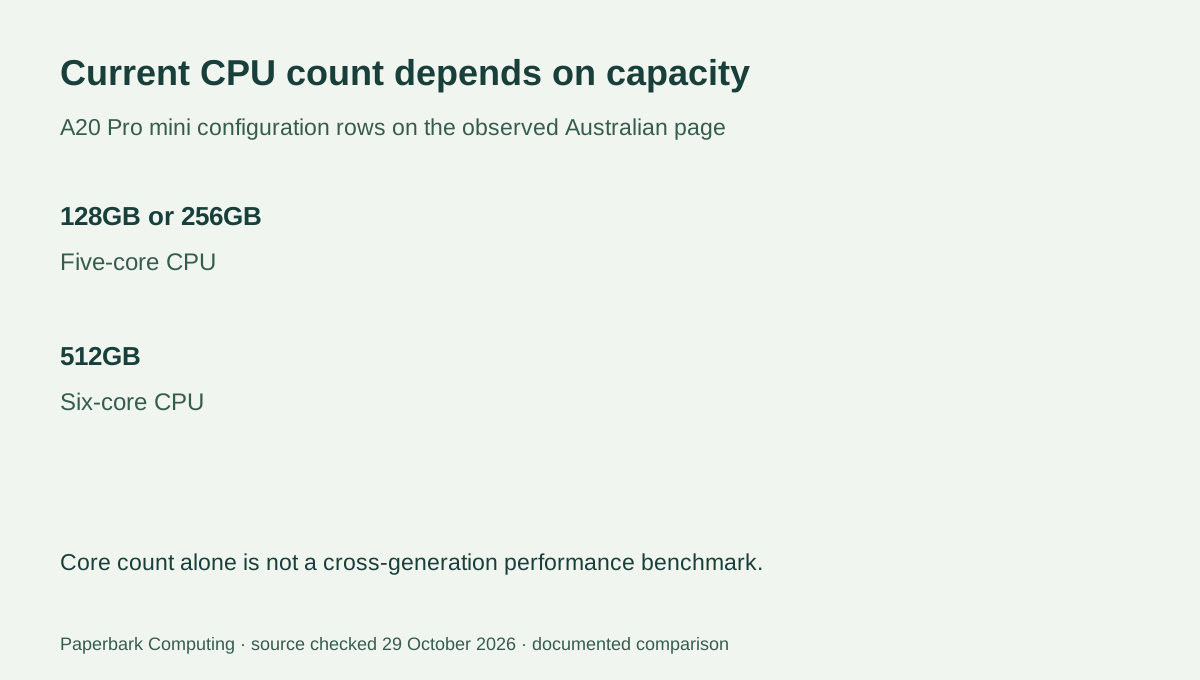
Apple’s current page distinguishes the A20 Pro CPU configuration by storage. The 128GB and 256GB versions have a five-core CPU, while the 512GB version has a six-core CPU. Do not copy the higher-tier CPU count into a cheaper capacity listing. The A17 Pro support record separately lists a six-core CPU for that older family. Identical core counts across different chip generations are not a performance benchmark.
Choose capacity against the files and applications you intend to keep locally, then retain the exact configuration in the quote. Decimal advertised gigabytes are not the same quantity as binary gibibytes, and installed software reduces actual free space. The storage calculator can illustrate those units and entered file totals; it cannot know the device’s unmeasured system overhead or guarantee that an application fits.
4. Reuse input and file accessories only after checking the exact type
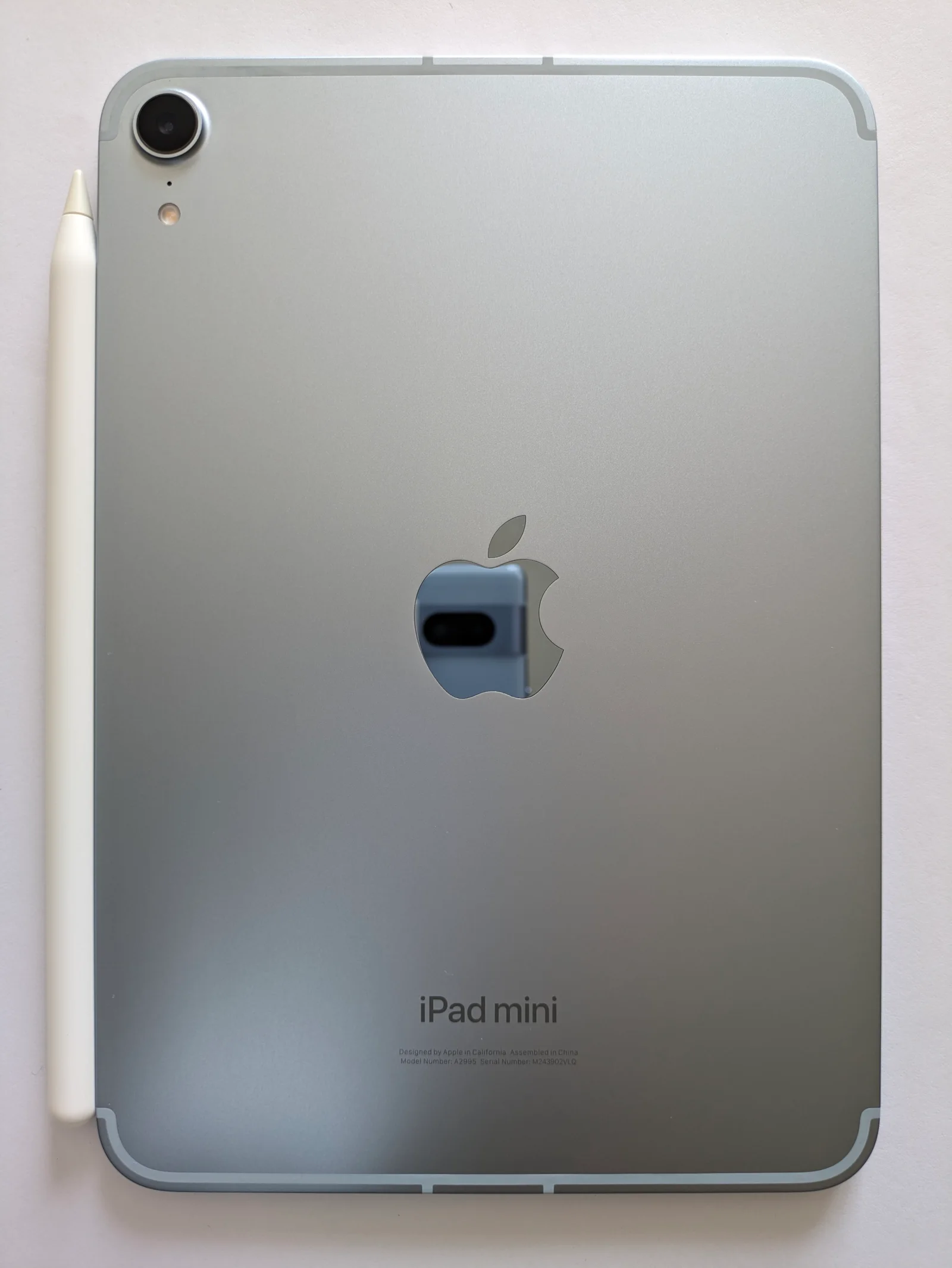
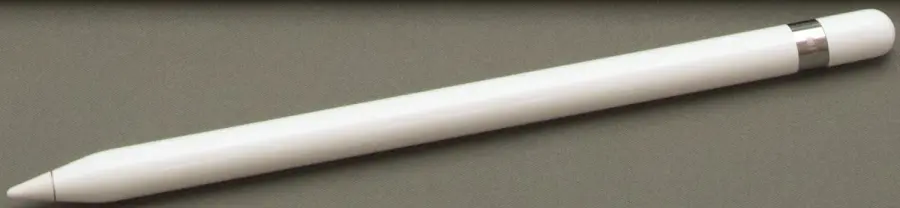
The cited specifications list support for Apple Pencil Pro and Apple Pencil USB-C for both compared mini families. That does not make an older capped first-generation Pencil compatible simply because it is an Apple Pencil. The real accessory photograph in this article deliberately illustrates that older shape, not an approved accessory for either compared mini. Apple also distinguishes the USB-C Pencil’s feature set from Pencil Pro, including pressure-sensitivity differences.
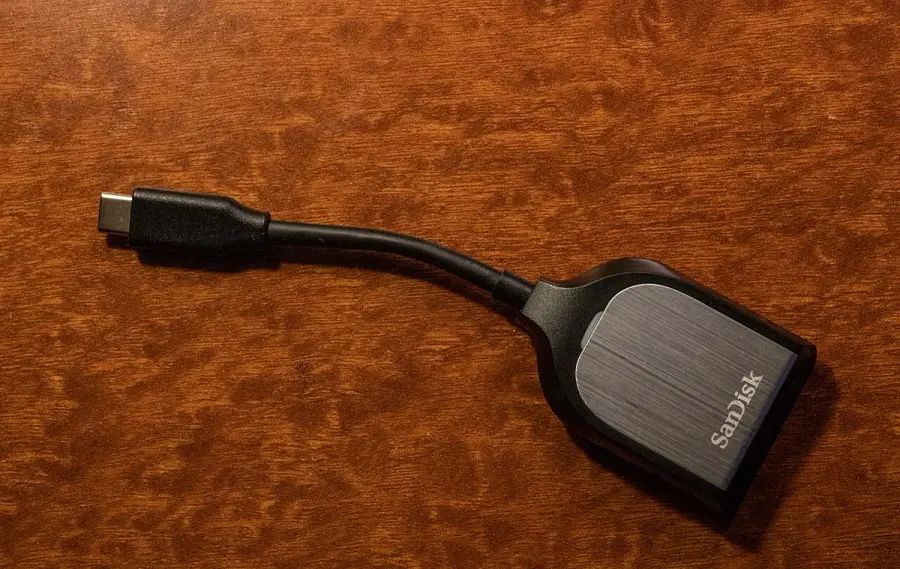
For a card reader or another USB-C accessory, the plug shape is only the first identification step. Confirm the accessory’s supported device, file format and power requirements for the exact task. The pictured SanDisk reader is a real contextual example, not a speed test or blanket compatibility endorsement. A fitted case must likewise name the actual body generation; the listed width and depth changed.
5. Compare the complete offered device after identification
For a buyer who specifically wants the documented OLED panel and lighter Wi-Fi body, the A20 Pro mini is the relevant candidate. For someone evaluating an older A17 Pro offer, compare its actual condition, battery and return terms against a complete current quote rather than treating the older display and chassis as identical. A Pencil-dependent task should have the exact compatible input item written into either kit.
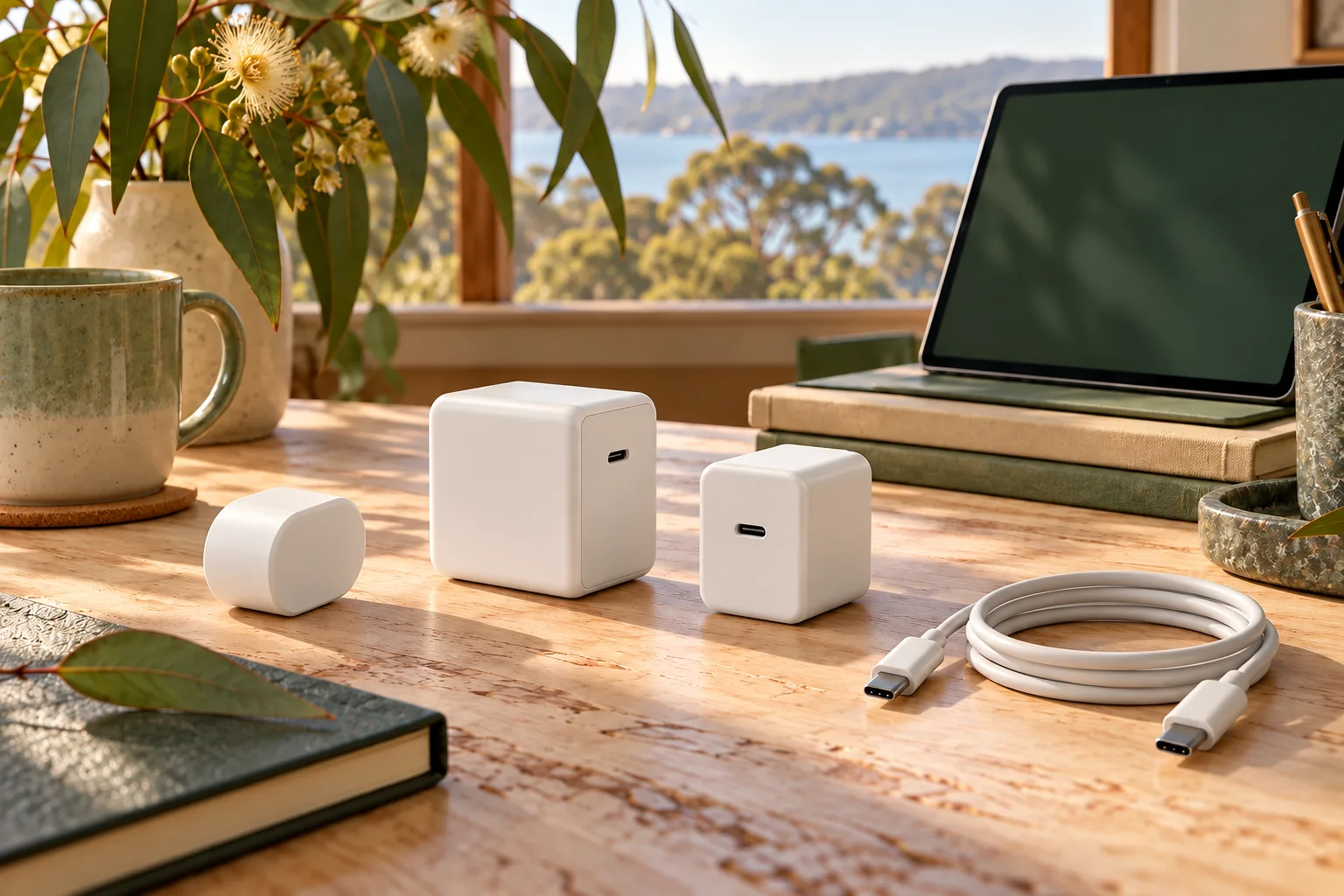
The Australian documents list a one-metre USB-C charge cable and 20W USB-C adapter with these devices. Retain the regional box contents rather than importing another country’s bundle assumptions; current nano-texture options have their own cloth condition. Confirm the actual seller’s supplied items for any used device. No observed specification here establishes a current cheapest deal, stock availability or an automatic reason to replace a working older mini.